Monday, July 24, 2017

Visiting the Jewish Museum in Belgrade


I visited the Jewish Museum in Belgrade, just before leaving the Serbian capitol for Croatia.  The museum is on a narrow, steep street.  Just a door and a sign face the street.  Inside you climb up three flights of stairs to an upper floor.  The museum winds through hundreds of years of Jewish history in the Balkans. According to the staff, this is the only Jewish museum anywhere in the Balkan states. 


Most of the collection is artifacts and photos from the mid 19th Century to World War II.  There was a vibrant Jewish community then, several synagogues with very different architecture. During the 1930s as anti-Semitism became fashionable, the Jewish community diminished.  When the Nazis conquered the Balkans during World War II, the Jewish community was wiped out. After the war, a few Jews came back, but in 1950s the last synagogue was demolished.


At this point, the collection stops.  If I understood the guide correctly, the few remaining Jews left permanently or at least for a while in the 1990s when Slobodan Milosevic was murdering Muslims and Croats.  Jews were not a particular target, but the Holocaust was less than 50 years before, so leaving seems a lot smarter than waiting for the guys with guns to start killing Jews.


After leaving the museum, I walked back to the hotel to get my bike and get ready to leave Belgrade.  As I walked along the bustling sidewalks beside constant traffic, I was looking at the people on the street who were middle aged and older.  The slaughter in the Balkans was just two decades ago. Was I walking past a supporter of ethnic cleansing? A killer?  I had the same creepy feeling during my first visit to the city of Wiesbaden after arriving in West Germany with Brigade 76.  World War II ended just 30 years before. Were the people I passed Nazis? Were they Hitler supporters? Were they killers of Jews? 


The history of Germany and Serbia make chillingly clear the vast difference between Patriotism and Nationalism:

Nationalism says our country is the Best and inflames the worst instincts of its citizens. Draft dodgers and other cowards with loud voices can be Nationalists. Grievance and anger are the only prerequisites. Not courage.

Patriotism means service. Patriots make sacrifices. They risk, and sometimes they lose their lives to protect their country and make it greater.  Patriots fought to save the world from Nazi tyranny, then they brought democracy to Germany, Japan, Italy and other countries under tyranny.  Patriotism tears down walls. Tyrants build them.

-->

C.S. Lewis says, "Without courage there can be no virtue."

Patriotism begins with courage. Nationalism begins with fear.

Sunday, July 23, 2017

Photos from Point Alpha Museum at Fulda

Here are more pictures from my visit to Point Alpha on the former East-West German Border at Fulda.


всегда на страже: Always on Guard

M60A3 Patton Tank

Summary description

Car used by East German/Soviet patrols

The Marshall Plan Helps Europe

A Soviet observation tower

Soviet submachine gun

The fence


Collapsible stock AK47

Photos from Eastern Block Revolts

Soviet Propaganda Posters

Saturday, July 22, 2017

Going to Fulda from the East


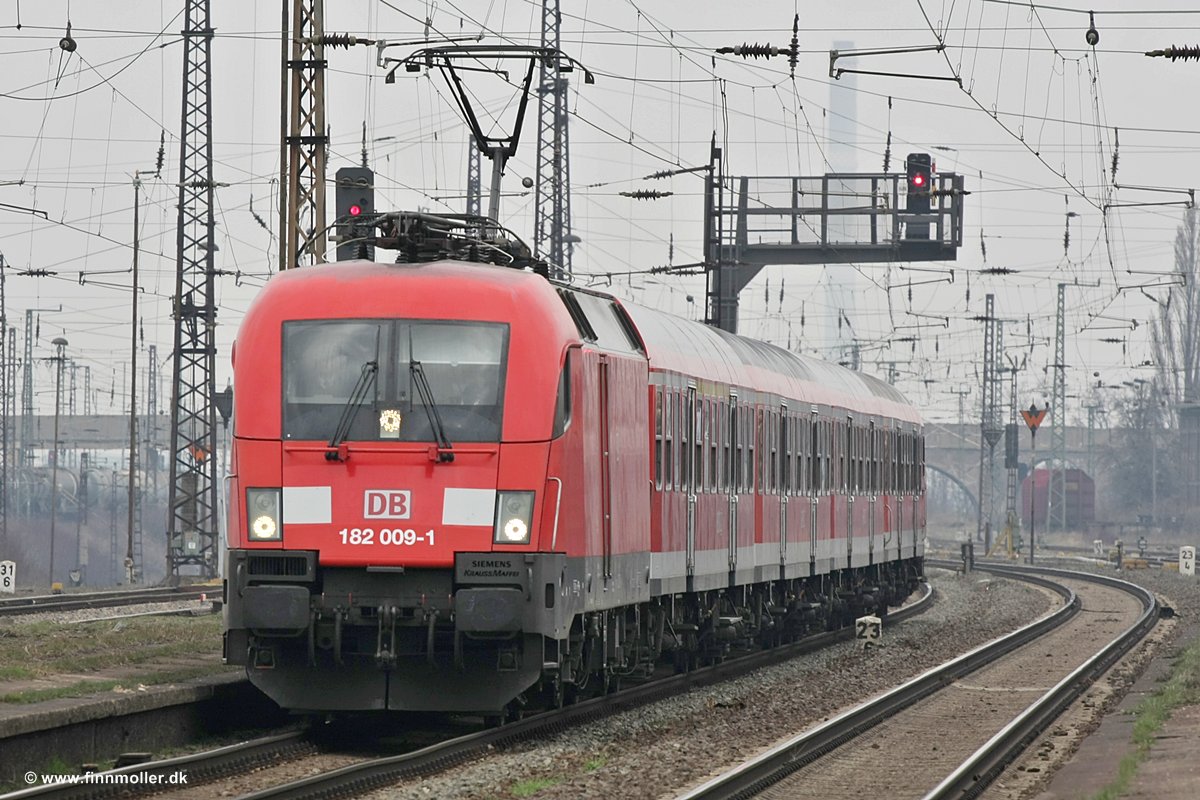
One of eight local trains I took for the trip from Berlin to Darmstadt

My first visit to Fulda in 40 years was from the East. It was such a strange feeling to approach the border from the East. The last time I went to Fulda was in a tank on an alert. That was the 70s when the Soviet Union still existed. In June, I was a tourist on a train, one of eight trains as it turned out. The most direct route from Berlin to Darmstadt passes though Fulda.  

When I left Berlin to travel to Darmstadt, I was beginning a 267-mile that would have been much better if I did not have the bike. I rode on eight trains and took almost 13 hours to get to cities roughly as far apart as Washington, D.C., and Bridgeport, Ct. A few days later I went to Berlin on an express train in just under four hours.
The Inter City Express ICE train

But the interesting thing compared to the American rail system is that I could make the trip on all local trains.  In fact, I could and did change the trip. In Berlin, I had a schedule of six trains that would get me the entire distance in eight hours. Then I missed train three. So I went to the next large station and got a new schedule. A total of eight trains. But no gaps. Just one platform to another.  
In America, only on the east coast do regional trains link together at all. For example the trip from Bridgeport to Washington, D.C. is only possible with buses or a long taxi ride. There is a 31-mile gap between Newark, Delaware, and Perryville, Maryland. And there is a 1.5-mile gap between Grand Central Terminal and Penn Station in New York. That gap can be traversed on two subways, or a walk. Assuming two subways it would take eight trains, plus two buses or another form of transportation to cover the distance. Amtrak could also cover the distance without gaps, just as the express trains in Germany. 
After this trip, I returned to the Border Memorial at Fulda for a visit. But approaching Fulda from the East gave me a feeling I won't forget.

Breath by James Nestor: We All Breathe Badly!!

As a book, Breath works because it sneaks physiology in through storytelling. Nestor uses explorers, monks, athletes, dentists, and oddbal...